DTF vs. Sublimation Printing: Which Is Better?
DTF vs. Sublimation Printing: Which Is Better?
When ordering custom T-shirts, hoodies, business uniforms, or personalized products, choosing the right printing method can make a big difference in the final result.
Two popular options are DTF printing (Direct-to-Film) and sublimation printing. Both can produce colorful, detailed designs, but they work differently and are best suited to different materials.
DTF printing is often a practical choice for cotton shirts, dark garments, and mixed-fabric apparel. Sublimation printing is especially useful for white or light-colored polyester garments and compatible coated products such as mugs and tumblers.
So, which printing method is better for your project?
In this guide, ExpressPress explains the differences between DTF and sublimation printing, including fabric compatibility, print quality, durability, feel, costs, and ideal uses.
What Is DTF Printing?
For additional guidance, see our beginner’s guide to DTF printing.
DTF stands for Direct-to-Film printing.
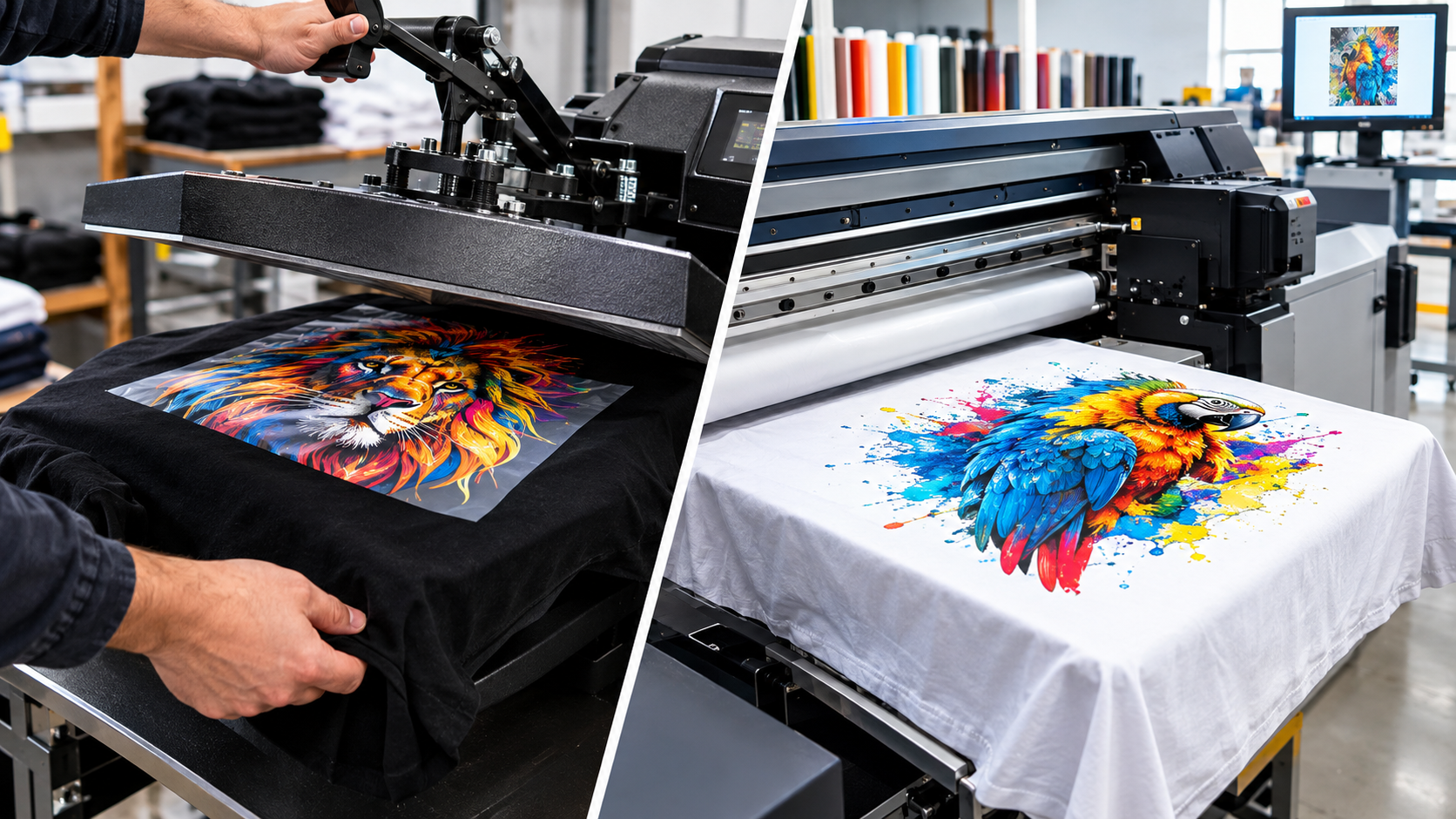
This printing method uses a specialized printer to produce artwork on transfer film. Adhesive powder is applied and cured, and the prepared design is transferred onto fabric using heat and pressure.
DTF transfers can reproduce detailed artwork, colorful graphics, business logos, and personalized designs.
One of the biggest advantages of DTF printing is its versatility. Compatible transfers can be applied to cotton, polyester, and many blended fabrics, including dark-colored garments.
DTF printing is commonly used for custom T-shirts, hoodies, business uniforms, school apparel, sportswear, and promotional clothing.
For a detailed introduction, read our previous article: What Is DTF Printing? A Complete Beginner's Guide.
What Is Sublimation Printing?
Sublimation printing uses heat to transfer specialized dye into compatible polyester fibers or polymer-coated surfaces.
Unlike DTF printing, traditional sublimation does not leave an adhesive film on top of the fabric. Instead, the dye becomes part of the compatible material.
This creates a smooth finish with little or no noticeable printed texture.
Traditional sublimation printing works best on white or light-colored polyester apparel and products specifically manufactured with a sublimation-compatible coating.
Popular applications include polyester sportswear, personalized mugs, tumblers, promotional drinkware, and coated gift products.
Ordinary untreated cotton is not suitable for traditional dye sublimation. Some specialty decorating systems can print on cotton, but those use different inks, media, or transfer processes.
DTF vs. Sublimation Printing: Key Differences
The main differences come down to material compatibility, garment color, print feel, and intended use.
| Feature | DTF Printing | Sublimation Printing |
|---|---|---|
| Printing process | Heat-applied film transfer | Dye transferred into compatible material |
| Cotton shirts | Suitable with compatible transfers | Not suitable for standard sublimation |
| Polyester shirts | Suitable with appropriate settings | Excellent on suitable light polyester |
| Dark garments | Can produce opaque designs | Not suitable for standard full-color results |
| Print texture | Thin layer can be felt | Little or no surface texture |
| Full-color artwork | Yes | Yes |
| White ink | Commonly used for opacity | Traditional sublimation has no white ink |
| Mugs and tumblers | Standard textile DTF is not intended for these | Suitable when sublimation-coated |
| Best applications | Custom apparel and mixed fabrics | Polyester apparel and coated products |
Neither method is universally better. The best choice depends on what you're printing and the result you want.
Which Printing Method Is Better for Cotton T-Shirts?
DTF printing is generally the better choice for ordinary cotton T-shirts.
DTF transfers use an adhesive layer to attach printed designs to compatible cotton fabric.
Traditional sublimation dye, on the other hand, requires polyester or another compatible polymer material to bond properly.
Trying to use standard sublimation directly on untreated cotton can result in poor durability and faded prints.
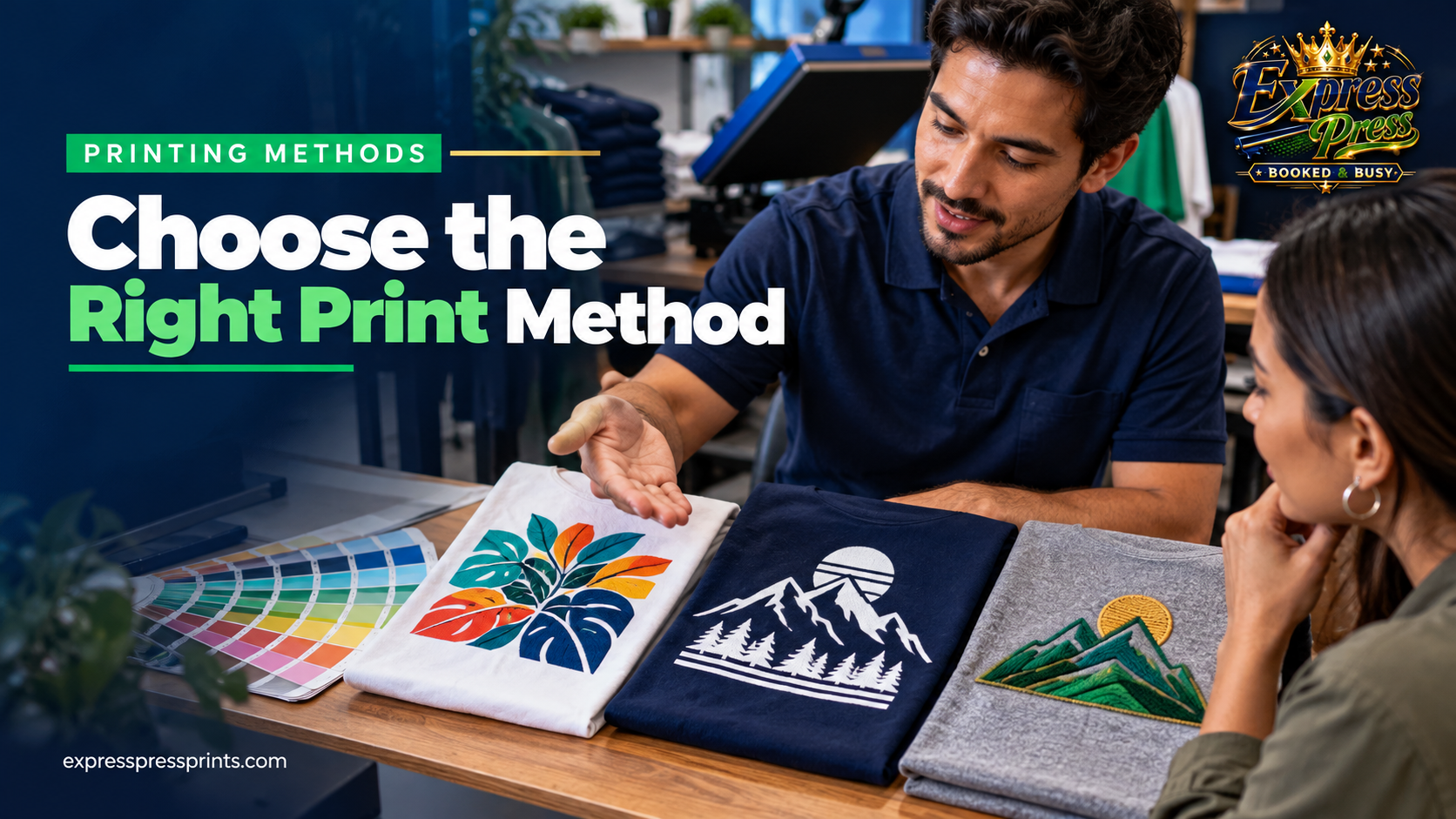
For custom cotton T-shirts, employee uniforms, and branded everyday apparel, DTF printing is often a suitable option.
Ready to create your own personalized apparel? Explore the Custom Cotton T-Shirt available at ExpressPress, or browse our Custom Apparel options for businesses, events, teams, and personal projects.
Which Printing Method Is Better for Polyester?
Both DTF and sublimation can work well on polyester, but the garment color and desired finish matter.
Sublimation on Polyester
Sublimation is especially suitable for white or light-colored polyester garments.
Because the dye bonds with the compatible fibers, the design has a smooth feel without an additional transfer layer.
This makes sublimation popular for performance apparel, sports jerseys, and certain all-over printing applications.
DTF on Polyester
DTF printing can also work on polyester, including darker garments.
However, polyester may be sensitive to high heat, and some fabrics can experience dye migration or discoloration.
The transfer supplier's recommended settings and compatibility requirements should always be followed.
Best choice: Sublimation for suitable light polyester when a smooth finish is the priority; DTF for darker polyester garments or projects requiring opaque designs.
DTF vs. Sublimation on Dark Shirts
For black, navy, and other dark-colored shirts, DTF printing generally has a major advantage.
DTF systems commonly use white ink beneath the design, helping colorful artwork remain visible against dark fabric.
Traditional sublimation uses translucent dyes without white ink. As a result, standard sublimation is not well suited to producing vibrant full-color designs on dark garments.
If you're creating custom black T-shirts, branded navy hoodies, or dark employee uniforms, DTF printing is usually the more practical option.
Which Method Produces Better Print Quality?
Both methods can produce sharp, colorful designs when the artwork and production process are properly prepared.
DTF Print Quality
DTF printing can reproduce multicolor graphics, logos, illustrations, and detailed designs.
Its white underbase helps preserve color visibility on dark garments.
However, very small text, extremely thin lines, and large solid designs may require special attention to maintain print quality and comfort.
Sublimation Print Quality
Sublimation can create detailed, colorful artwork on compatible light-colored surfaces.
Because the dye bonds with the material, it can provide an exceptionally smooth appearance.
The final colors are influenced by the substrate, coating, polyester content, and printing settings.
The winner depends on the material: DTF offers broader apparel flexibility, while sublimation excels on compatible light polyester and coated products.
Before submitting your design, make sure your artwork is suitable for printing. Our guide to the best file formats for custom T-shirt printing explains how to prepare clear, high-quality graphics and avoid common file preparation mistakes.
Which Lasts Longer: DTF or Sublimation?
Both printing methods can produce durable results, but neither has a guaranteed lifespan for every product.
DTF durability depends on transfer quality, curing, application pressure, fabric compatibility, and washing practices.
Sublimation dyes become part of compatible polyester fibers or coatings, so there is no separate adhesive film to peel away. However, fading, fabric wear, or coating damage can still occur.
For long-lasting results, follow the specific product's care instructions and avoid excessive heat or harsh washing conditions.
DTF vs. Sublimation: Which Feels Better?
Print feel is one of the most noticeable differences.
DTF transfers create a thin printed layer on the fabric. Small designs may feel relatively light, while large solid graphics can have a more noticeable texture.
Sublimation dye bonds into compatible material, leaving little or no raised surface texture.
For lightweight polyester sportswear where fabric feel is a major priority, sublimation may be preferable.
For dark garments, cotton shirts, and mixed-fabric apparel, DTF offers greater flexibility.
Which Printing Method Is More Affordable?
The cost depends on the project rather than the printing method alone.
Important factors include:
Quantity of products being printed
Fabric or blank-product type
Design size and complexity
Transfer sheet dimensions
Equipment and labor requirements
Number of different designs
Finishing and packaging requirements
DTF gang sheets can help businesses organize multiple designs on one transfer sheet, potentially making better use of available printing space.
Sublimation can be economical for suitable polyester garments and coated products, particularly when the equipment and blanks are already available.
For accurate pricing, compare the full cost of the blank product, printing, application, and order quantity.
What Is Better for Small Businesses?
Small businesses often need flexibility when ordering branded merchandise.
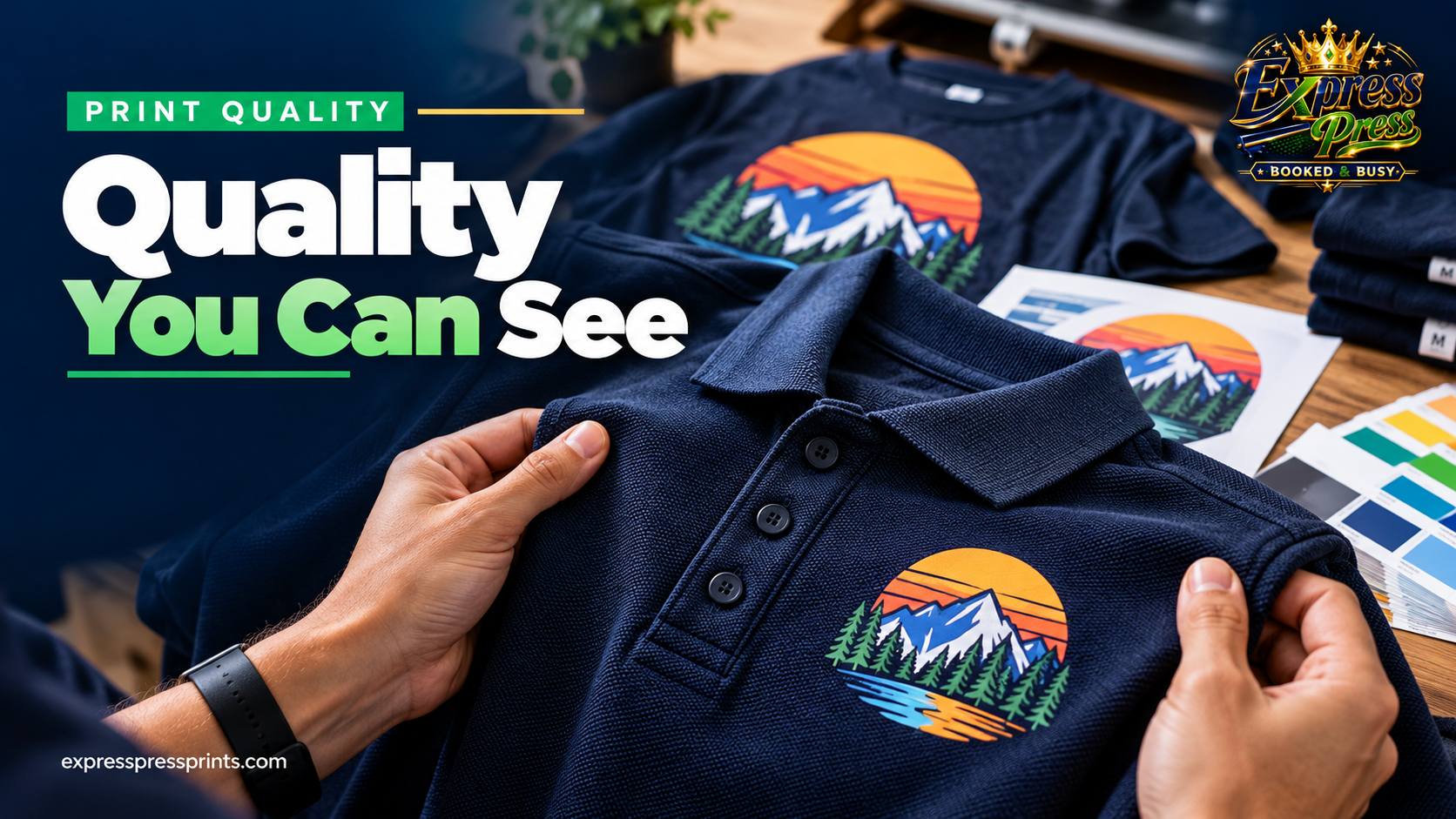
Choose DTF Printing For:
Cotton business T-shirts
Dark-colored company apparel
Custom hoodies and sweatshirts
Employee uniforms
Small batches of different designs
Clothing brand merchandise
Multiple logos arranged on gang sheets
Choose Sublimation Printing For:
White or light polyester uniforms
Compatible athletic apparel
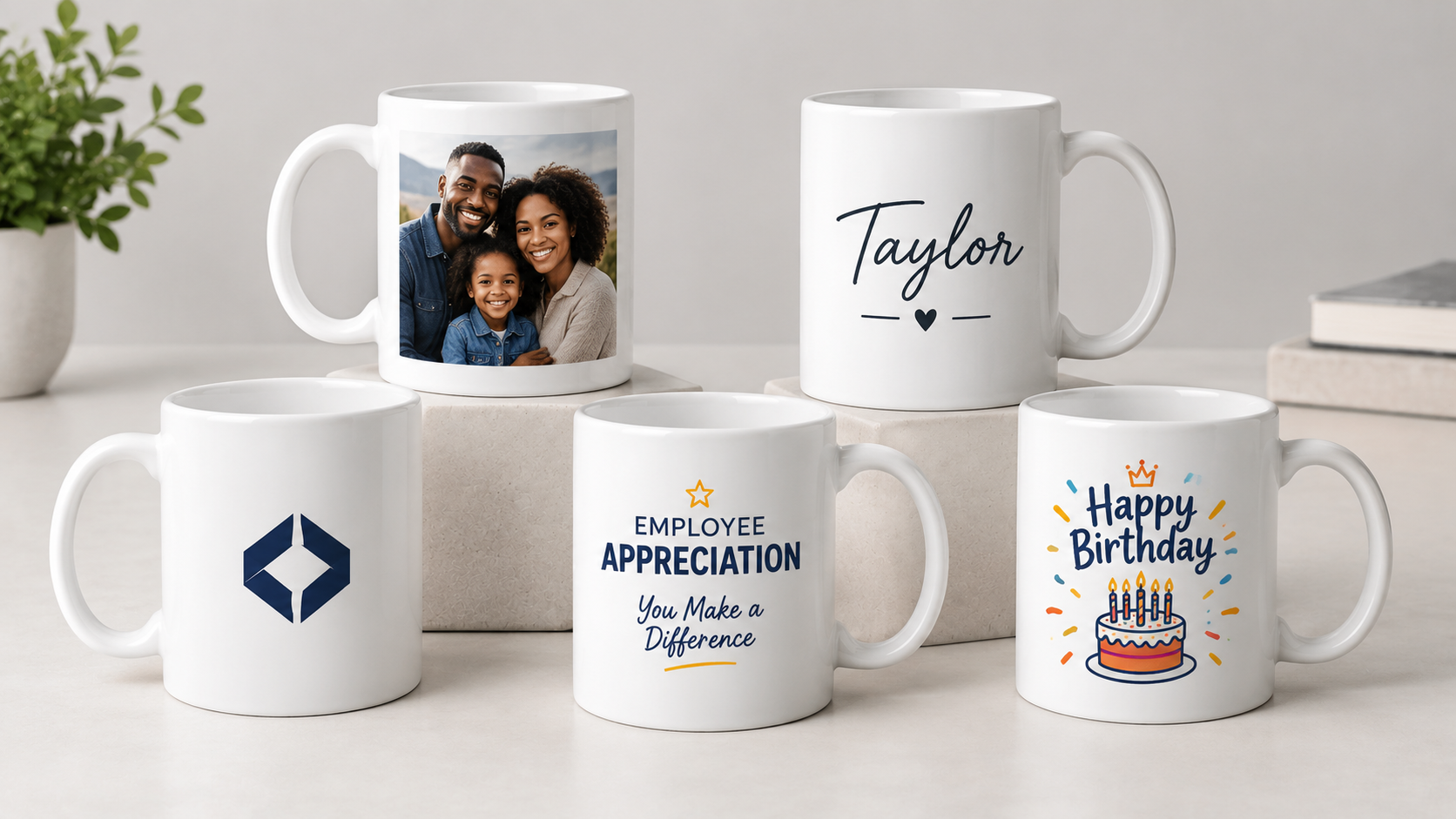
Sublimation-coated coffee mugs
Personalized tumblers
Coated promotional products
Certain full-color polyester designs
A business offering several kinds of personalized merchandise may benefit from using both methods for different products.
What Are DTF Gang Sheets?
A DTF gang sheet combines multiple graphics on one larger sheet of transfer film.
Instead of ordering separate sheets for every logo or design, customers can arrange multiple images together.
Gang sheets are useful for businesses, apparel creators, and organizations preparing several custom prints.
For example, one gang sheet might contain multiple company logos, small chest designs, and full-size T-shirt graphics.
ExpressPress offers DTF gang sheet options for customers who want to organize their designs for printing.
Common Mistakes to Avoid
Choosing a printing method without checking the material can lead to disappointing results.
Using traditional sublimation on untreated cotton: Standard sublimation dyes do not properly bond with ordinary cotton fibers.
Using standard sublimation on dark garments: Translucent sublimation dyes cannot produce opaque white artwork.
Ignoring fabric heat sensitivity: Polyester and specialty fabrics may be damaged by inappropriate pressing conditions.
Uploading low-resolution artwork: Pixelated images can reduce the quality of either printing method.
Assuming every transfer uses identical settings: Always follow the specific supplier's application instructions.
Using ordinary mugs for sublimation: Hard products need a suitable sublimation-compatible coating.
DTF or Sublimation: Which Should You Choose?
If your project involves cotton T-shirts, dark-colored hoodies, or mixed-fabric business uniforms, DTF printing is often the better fit.
If you're printing on white polyester shirts, compatible sportswear, or sublimation-ready mugs and tumblers, sublimation may be the better choice.
The most important factors are your product material, color, artwork, quantity, and desired finish.
Choosing the right method from the beginning helps avoid unnecessary costs and printing problems.
You can also explore DTF transfer options and sublimation gang sheet options for related printing information and available ExpressPress options.
Custom DTF and Sublimation Printing With ExpressPress
ExpressPress is based in Thomasville, Alabama, offering custom printing services for businesses, organizations, apparel creators, and individuals.
Whether you're planning personalized T-shirts, preparing DTF transfers, or exploring sublimation gang sheets, our printing services can help you bring your artwork to life.
Explore our DTF Transfers, DTF Gang Sheets, Sublimation Gang Sheets, and Custom Apparel options to find a suitable solution for your project.
Ready to create custom printed products? Visit ExpressPress to explore your printing options.
Frequently Asked Questions
Is DTF better than sublimation?
DTF is generally more versatile for cotton, dark garments, and mixed fabrics. Sublimation is often preferable for compatible light polyester garments and coated products. The best option depends on your project.
Can sublimation printing work on cotton?
Traditional sublimation does not directly bond to untreated cotton. Specialty decorating systems may support cotton using different transfer media or processes.
Can DTF printing be used on black shirts?
Yes. Compatible DTF transfers can produce colorful, opaque designs on black and other dark-colored garments.
Is sublimation better for sportswear?
Sublimation can be excellent for suitable white or light-colored polyester sportswear because the dye bonds into the fibers without leaving a separate transfer layer.
Can you use DTF printing on mugs?
Standard textile DTF transfers are intended for fabric, not ceramic mugs. Sublimation is commonly used for mugs with a compatible polymer coating. UV DTF is a different process and should not be confused with garment DTF.
Which printing method is better for business uniforms?
DTF is often suitable for cotton polos, T-shirts, hoodies, and dark garments. Sublimation may be preferable for certain light-colored polyester uniforms.
What is the difference between DTF and sublimation gang sheets?
DTF gang sheets arrange designs for printing on transfer film, while sublimation gang sheets arrange artwork for transfer onto compatible polyester or coated products. The materials and application processes differ.