What Is DTF Printing? Process, Benefits & Uses
Understanding Custom Dtf Printing
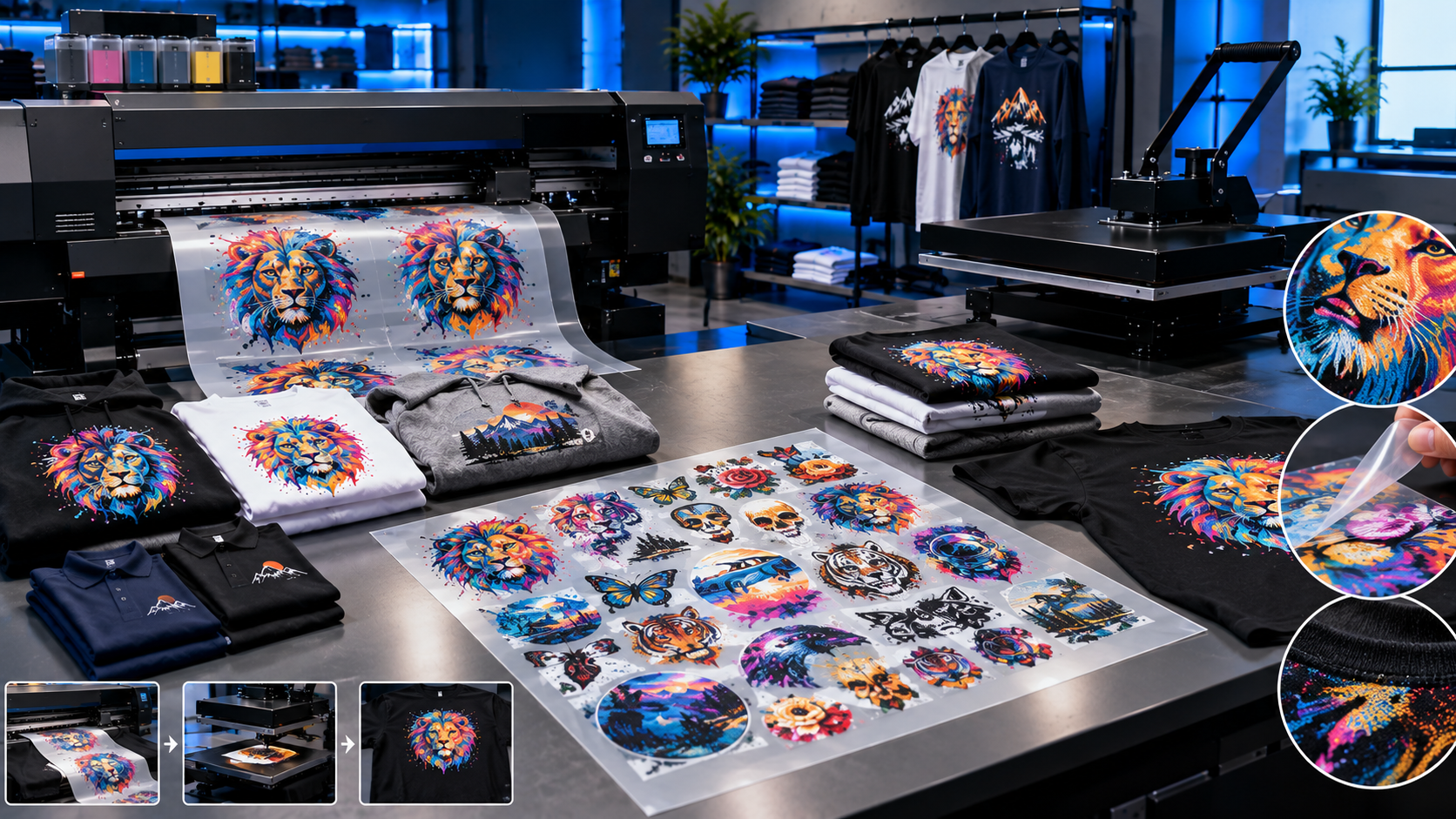
DTF printing applies artwork from a specialized film to compatible fabric using adhesive and a heat press.
How to Plan Your Project
Prepare clear artwork at its intended size; print onto transfer film; apply and cure adhesive; then heat press according to supplier instructions.
Materials and Compatibility
Many cotton, polyester, and blended garments can work, but heat sensitivity and texture matter.
Benefits and Practical Uses
It suits detailed, colorful designs and varied quantities without separate screens for every color.
Common Mistakes to Avoid
Screen printing can suit larger repeat runs, while sublimation favors compatible polyester and coated materials.
Preparing Artwork and Approving a Proof
Work at the intended finished size and use a clean, legible file. Double-check spelling, color contrast, placement, and quantities. Ask for a proof or sample when the project is complex. Final results depend on the selected product, equipment, and artwork quality.
Ordering and Production Timing
Review the available product options and confirm specifications before checkout. Allow time for artwork review and production. Rush or same-day availability should be confirmed directly rather than assumed.
Explore ExpressPress Options
Browse DTF transfers and the ExpressPress shop for current options. For special requirements, contact ExpressPress before ordering.
Frequently Asked Questions
Is custom DTF printing right for every project? No. Material, design, and quantity all matter. Should I check a sample? A sample is helpful for large or unusual orders. Can I change artwork later? Confirm change deadlines before production begins.