
Sublimation Printing Explained: Fabrics, Colors & Transfers
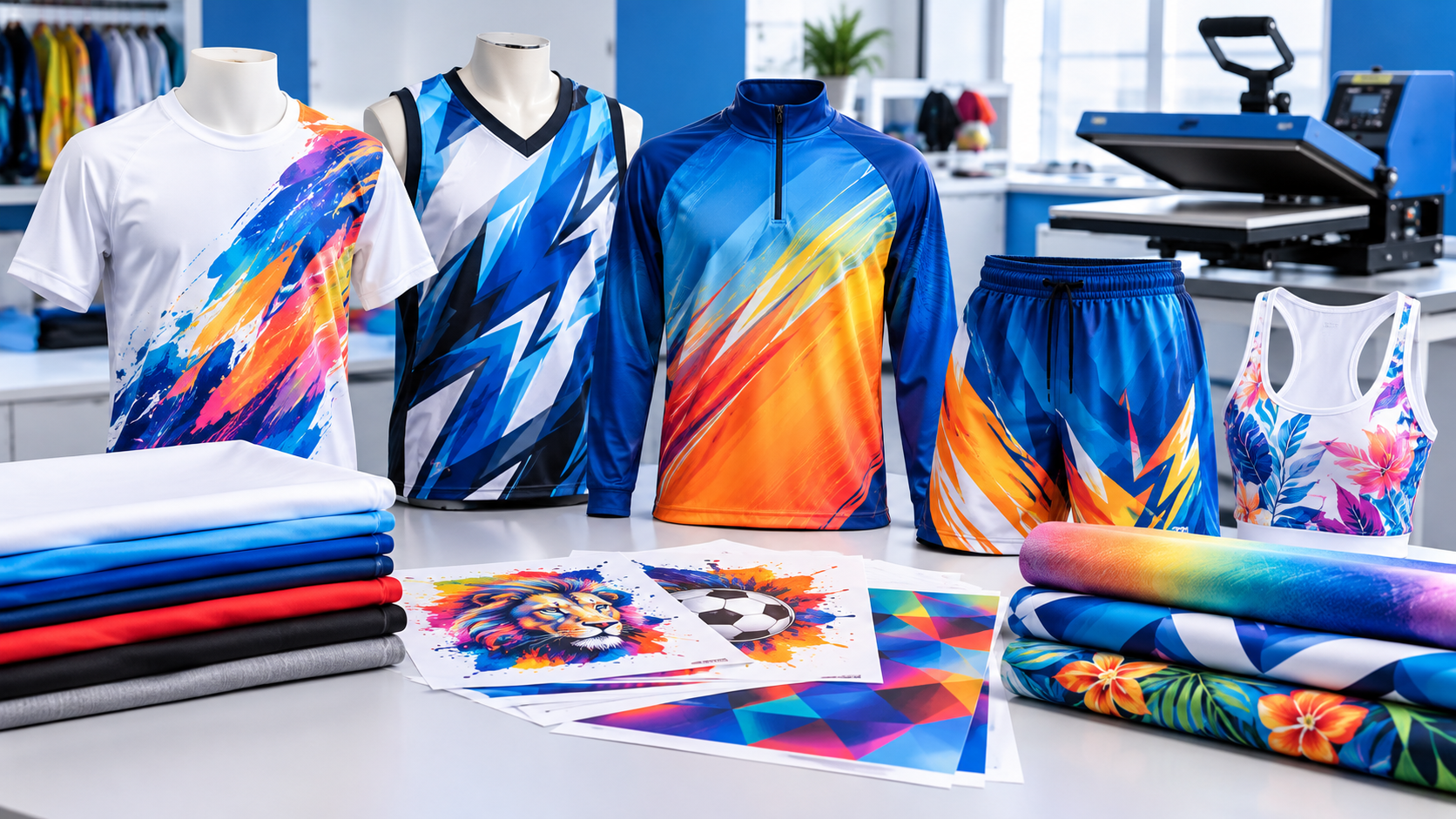
Understanding Sublimation Printing
Sublimation uses heat to bond special dyes with suitable polyester fibers or polymer-coated surfaces.
How to Plan Your Project
Prepare high-resolution artwork and confirm finished dimensions, mirroring, and any bleed requirements.
Materials and Compatibility
White or light-colored polyester generally gives the clearest results; standard sublimation does not print opaque white.
Benefits and Practical Uses
When the substrate is compatible, sublimation can produce colorful designs without a raised transfer layer.
Common Mistakes to Avoid
Dark cotton apparel usually calls for another method, such as a suitable DTF transfer.
Preparing Artwork and Approving a Proof
Work at the intended finished size and use a clean, legible file. Double-check spelling, color contrast, placement, and quantities. Ask for a proof or sample when the project is complex. Final results depend on the selected product, equipment, and artwork quality.
Ordering and Production Timing
Review the available product options and confirm specifications before checkout. Allow time for artwork review and production. Rush or same-day availability should be confirmed directly rather than assumed.
Explore ExpressPress Options
Browse sublimation gang sheets and the ExpressPress shop for current options. For special requirements, contact ExpressPress before ordering.
Frequently Asked Questions
Is sublimation printing right for every project? No. Material, design, and quantity all matter. Should I check a sample? A sample is helpful for large or unusual orders. Can I change artwork later? Confirm change deadlines before production begins.